

























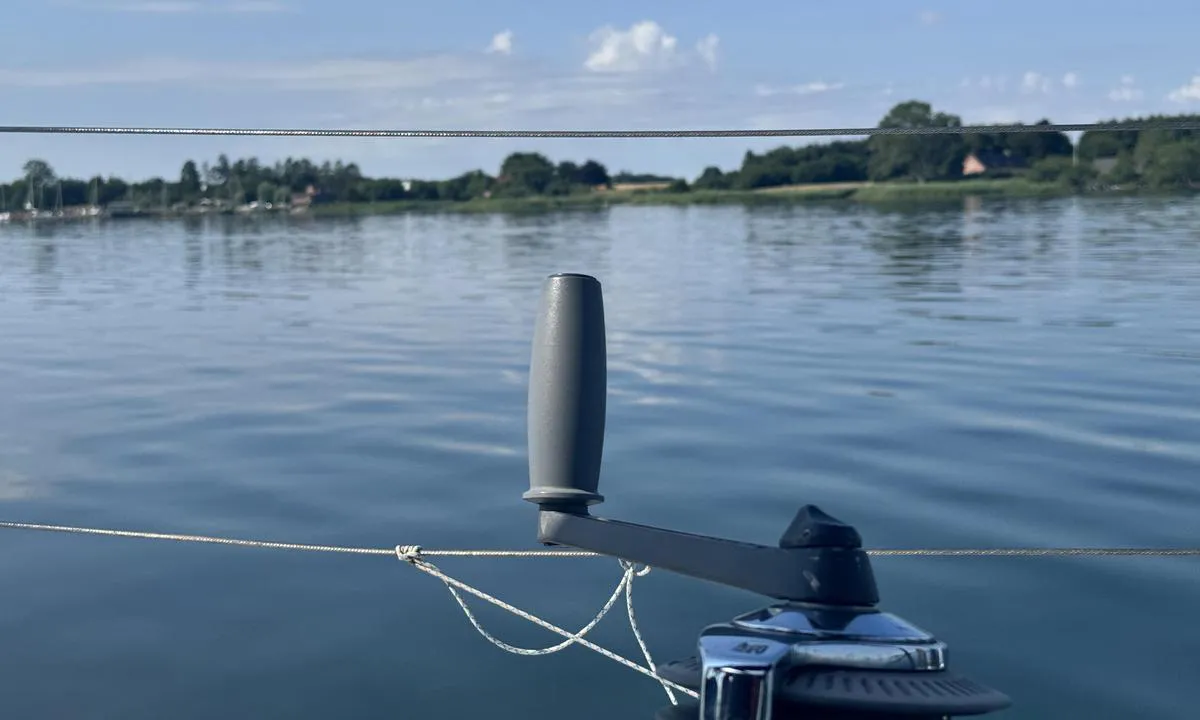


Sortsøhestehave bouy

Puerto natural

favoritt

Region: Denmark (634), Falster (13) and Stubbekobing (3)

Sortsøhestehave bouy: {"base": "no", "no": "S\u00f8r for fiskefarmen er det to gule b\u00f8yer det kan fort\u00f8yes i.", "se": "S\u00f6der om fiskodlingen finns det tv\u00e5 gula bojar att f\u00f6rt\u00f6ja vid.", "en": "South of the fish farm, there are two yellow buoys that can be moored to.", "da": "Syd for fiskeopdr\u00e6ttet er der to gule b\u00f8jer, som man kan fort\u00f8je til.", "fr": "Au sud de la ferme piscicole, il y a deux bou\u00e9es jaunes auxquelles on peut s'amarrer.", "de": "S\u00fcdlich der Fischfarm gibt es zwei gelbe Bojen, an denen festgemacht werden kann.", "es": "Al sur de la granja de peces hay dos boyas amarillas donde se puede amarrar.", "it": "A sud dell'allevamento ittico ci sono due boe gialle a cui ci si pu\u00f2 ormeggiare.", "pt": "Ao sul da piscicultura h\u00e1 duas b\u00f3ias amarelas onde se pode atracar.", "nl": "Ten zuiden van de viskwekerij zijn er twee gele boeien waar men kan aanmeren.", "pl": "Na po\u0142udnie od farmy rybnej znajduj\u0105 si\u0119 dwie \u017c\u00f3\u0142te boje, do kt\u00f3rych mo\u017cna si\u0119 przywi\u0105za\u0107.", "uk": "\u041d\u0430 \u043f\u0456\u0432\u0434\u0435\u043d\u044c \u0432\u0456\u0434 \u0440\u0438\u0431\u043d\u043e\u0433\u043e \u0444\u0435\u0440\u043c\u0435\u0440\u0441\u0442\u0432\u0430 \u0454 \u0434\u0432\u0430 \u0436\u043e\u0432\u0442\u0456 \u0431\u0443\u0457, \u0434\u043e \u044f\u043a\u0438\u0445 \u043c\u043e\u0436\u043d\u0430 \u043f\u0440\u0438\u0448\u0432\u0430\u0440\u0442\u0443\u0432\u0430\u0442\u0438\u0441\u044f.", "ro": "La sud de ferma piscicol\u0103 sunt dou\u0103 geamanduri galbene la care se poate ancora.", "tr": "Bal\u0131k \u00e7iftli\u011finin g\u00fcneyinde ba\u011flan\u0131labilecek iki sar\u0131 \u015famand\u0131ra bulunmaktad\u0131r.", "el": "\u039d\u03cc\u03c4\u03b9\u03b1 \u03b1\u03c0\u03cc \u03c4\u03b7 \u03bc\u03bf\u03bd\u03ac\u03b4\u03b1 \u03b9\u03c7\u03b8\u03c5\u03bf\u03ba\u03b1\u03bb\u03bb\u03b9\u03ad\u03c1\u03b3\u03b5\u03b9\u03b1\u03c2 \u03c5\u03c0\u03ac\u03c1\u03c7\u03bf\u03c5\u03bd \u03b4\u03cd\u03bf \u03ba\u03af\u03c4\u03c1\u03b9\u03bd\u03b5\u03c2 \u03c3\u03b7\u03bc\u03b1\u03b4\u03bf\u03cd\u03c1\u03b5\u03c2 \u03c3\u03c4\u03b9\u03c2 \u03bf\u03c0\u03bf\u03af\u03b5\u03c2 \u03bc\u03c0\u03bf\u03c1\u03b5\u03af \u03bd\u03b1 \u03b3\u03af\u03bd\u03b5\u03b9 \u03c0\u03c1\u03cc\u03c3\u03b4\u03b5\u03c3\u03b7.", "cs": "Ji\u017en\u011b od ryb\u00ed farmy jsou dv\u011b \u017elut\u00e9 b\u00f3je, u kter\u00fdch je mo\u017en\u00e9 se uv\u00e1zat.", "hu": "A halteny\u00e9szt\u0151 gazdas\u00e1gt\u00f3l d\u00e9lre van k\u00e9t s\u00e1rga b\u00f3ja, amelyhez ki lehet k\u00f6tni.", "fi": "Kalankasvattamon etel\u00e4puolella on kaksi keltaista poijua, joihin voi kiinnitty\u00e4.", "bg": "\u041d\u0430 \u044e\u0433 \u043e\u0442 \u0440\u0438\u0431\u043d\u0430\u0442\u0430 \u0444\u0435\u0440\u043c\u0430 \u0438\u043c\u0430 \u0434\u0432\u0435 \u0436\u044a\u043b\u0442\u0438 \u0431\u0443\u0439\u043e\u0432\u0435, \u043d\u0430 \u043a\u043e\u0438\u0442\u043e \u043c\u043e\u0436\u0435 \u0434\u0430 \u0441\u0435 \u0448\u0432\u0430\u0440\u0442\u043e\u0432\u0430.", "sr": "Ju\u017eno od ribogojili\u0161ta nalaze se dve \u017eute bove na koje se mo\u017ee vezati.", "et": "Kalafarmist l\u00f5una pool on kaks kollast poi, millega saab kinnituda.", "lv": "Uz dienvidiem no zivju fermas ir divas dzeltenas bojas, pie kur\u0101m var piest\u0101t.", "lt": "\u012e pietus nuo \u017euv\u0173 fermos yra du geltoni pl\u016bdurai, prie kuri\u0173 galima pri\u0161vartuoti laiv\u0105."}
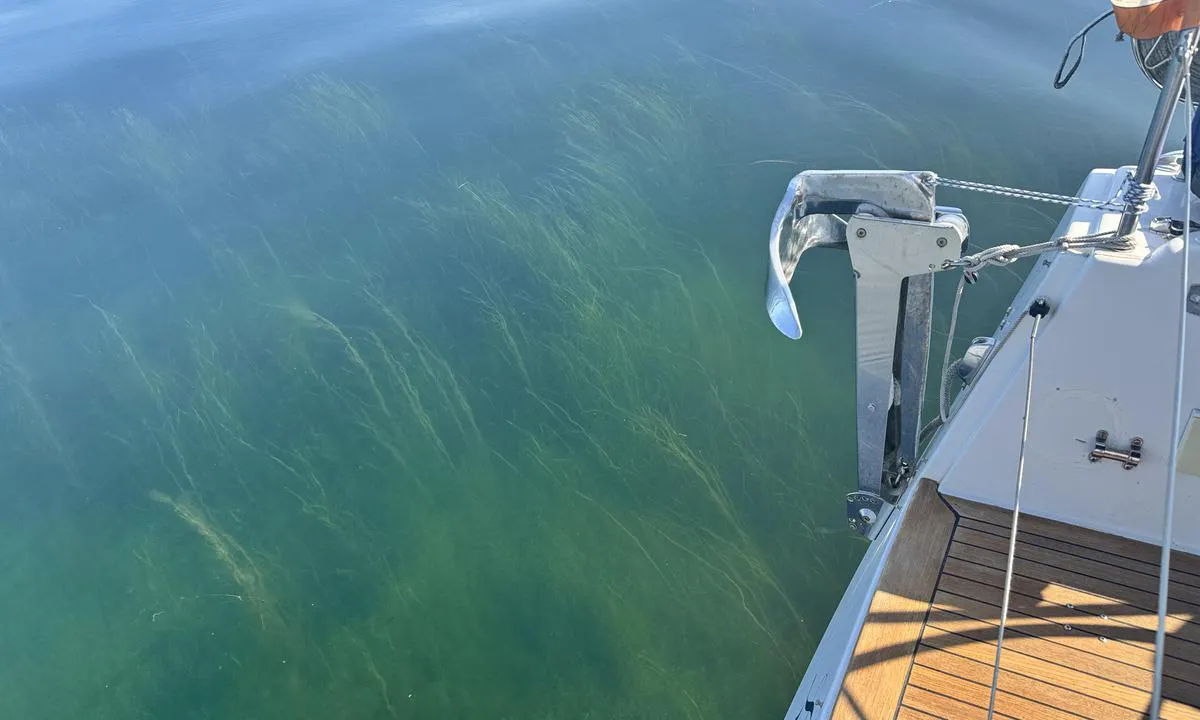
Sortsøhestehave bouy: {"base": "no", "no": "Mye sj\u00f8gress, men ankeret fikk godt feste i mudderet.", "se": "Mycket sj\u00f6gr\u00e4s, men ankaret fick bra f\u00e4ste i leran.", "en": "A lot of seaweed, but the anchor held well in the mud.", "da": "Meget tang, men ankeret fik godt f\u00e6ste i mudderet.", "fr": "Beaucoup d'algues, mais l'ancre a bien tenu dans la boue.", "de": "Viel Seegras, aber der Anker hielt gut im Schlamm.", "es": "Mucho pasto marino, pero el ancla tuvo buen agarre en el lodo.", "it": "Molte alghe, ma l'ancora ha trovato una buona presa nel fango.", "pt": "Muita vegeta\u00e7\u00e3o marinha, mas a \u00e2ncora fixou-se bem no lodo.", "nl": "Veel zeegras, maar het anker hield goed in de modder.", "pl": "Du\u017co wodorost\u00f3w, ale kotwica dobrze trzyma\u0142a si\u0119 w mule.", "uk": "\u0411\u0430\u0433\u0430\u0442\u043e \u0432\u043e\u0434\u043e\u0440\u043e\u0441\u0442\u0435\u0439, \u0430\u043b\u0435 \u044f\u043a\u0456\u0440 \u0434\u043e\u0431\u0440\u0435 \u0437\u0430\u043a\u0440\u0456\u043f\u0438\u0432\u0441\u044f \u0432 \u043c\u0443\u043b\u0456.", "ro": "Mult\u0103 iarb\u0103 de mare, dar ancora a prins bine \u00een noroi.", "tr": "\u00c7ok deniz yosunu var, ama \u00e7apa \u00e7amura iyi tuttu.", "el": "\u03a0\u03bf\u03bb\u03bb\u03ae \u03b8\u03b1\u03bb\u03ac\u03c3\u03c3\u03b9\u03b1 \u03c7\u03bb\u03cc\u03b7, \u03b1\u03bb\u03bb\u03ac \u03b7 \u03ac\u03b3\u03ba\u03c5\u03c1\u03b1 \u03ad\u03c0\u03b9\u03b1\u03c3\u03b5 \u03ba\u03b1\u03bb\u03ac \u03c3\u03c4\u03b7 \u03bb\u03ac\u03c3\u03c0\u03b7.", "cs": "Hodn\u011b mo\u0159sk\u00fdch \u0159as, ale kotva dob\u0159e dr\u017eela v bahn\u011b.", "hu": "Sok tengeri f\u0171, de a horgony j\u00f3l tartott az iszapban.", "fi": "Paljon merihein\u00e4\u00e4, mutta ankkuri piti hyvin mudassa.", "bg": "\u041c\u043d\u043e\u0433\u043e \u0432\u043e\u0434\u043e\u0440\u0430\u0441\u043b\u0438, \u043d\u043e \u043a\u043e\u0442\u0432\u0430\u0442\u0430 \u0437\u0430\u0445\u0432\u0430\u043d\u0430 \u0434\u043e\u0431\u0440\u0435 \u0432 \u0442\u0438\u043d\u044f\u0442\u0430.", "sr": "Mnogo morske trave, ali sidro je dobro dr\u017ealo u blatu.", "et": "Palju merevetikaid, kuid ankur leidis mudases pinnases hea pidamise.", "lv": "Daudz j\u016brasz\u0101\u013cu, bet enkurs labi tur\u0113j\u0101s dub\u013cos.", "lt": "Daug j\u016bros \u017eoli\u0173, bet inkaras gerai \u012fsitvirtino dumble."}
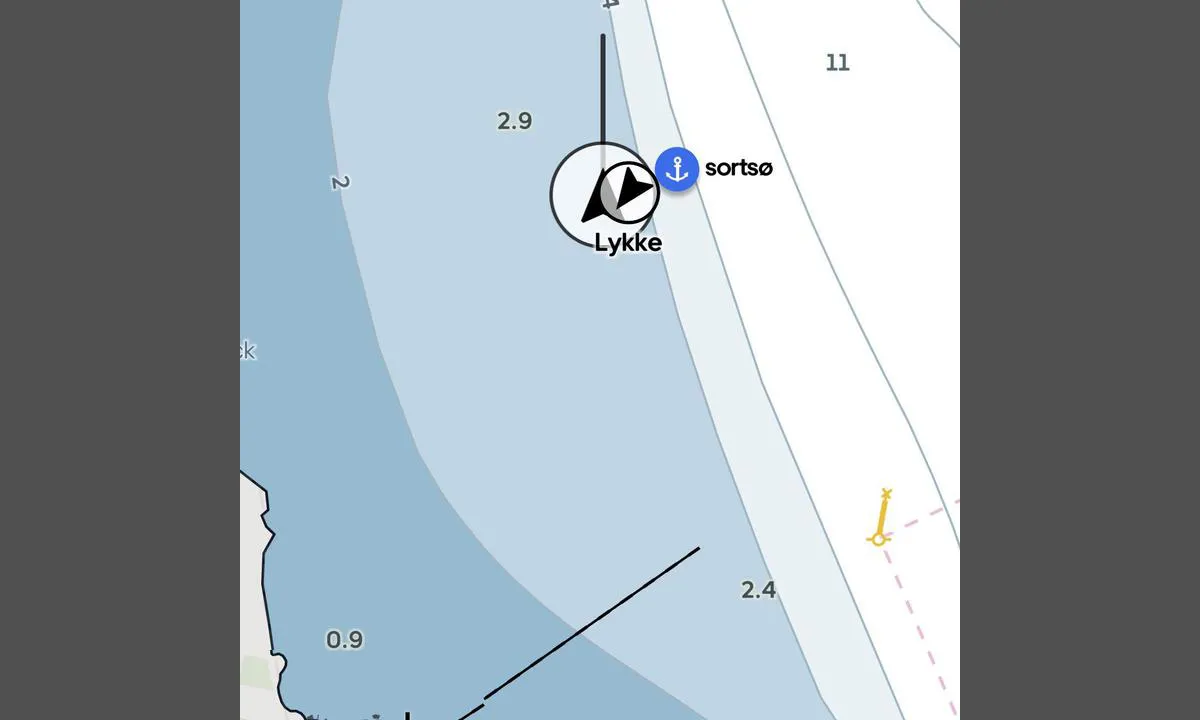
Sortsøhestehave bouy: {"base": "no", "no": "Kan ankre b\u00e5de nord og s\u00f8r for fiskefarmen. Var en svak nordlig str\u00f8m n\u00e5r vi l\u00e5 her.", "se": "Kan ankra b\u00e5de norr och s\u00f6der om fiskodlingen. Det var en svag nordlig str\u00f6m n\u00e4r vi l\u00e5g h\u00e4r.", "en": "Can anchor both north and south of the fish farm. There was a weak northern current when we were here.", "da": "Kan ankre b\u00e5de nord og syd for fiskefarmen. Der var en svag nordlig str\u00f8m, da vi l\u00e5 her.", "fr": "On peut mouiller aussi bien au nord qu'au sud de la pisciculture. Il y avait un faible courant du nord lorsque nous \u00e9tions ici.", "de": "Kann sowohl n\u00f6rdlich als auch s\u00fcdlich der Fischfarm ankern. Es gab eine schwache Nordstr\u00f6mung, als wir hier lagen.", "es": "Se puede anclar tanto al norte como al sur de la granja de peces. Hab\u00eda una corriente d\u00e9bil hacia el norte cuando estuvimos aqu\u00ed.", "it": "Si pu\u00f2 ancorare sia a nord che a sud dell'allevamento di pesce. C'era una debole corrente settentrionale quando siamo stati qui.", "pt": "Pode ancorar tanto ao norte quanto ao sul da piscicultura. Havia uma fraca corrente do norte quando est\u00e1vamos aqui.", "nl": "Kan zowel ten noorden als ten zuiden van de viskwekerij anker uitgooien. Er was een zwakke noordelijke stroming toen we hier lagen.", "pl": "Mo\u017cna zakotwiczy\u0107 zar\u00f3wno na p\u00f3\u0142noc, jak i na po\u0142udnie od farmy rybnej. By\u0142 s\u0142aby pr\u0105d p\u00f3\u0142nocny, gdy tutaj stali\u015bmy.", "uk": "\u041c\u043e\u0436\u043d\u0430 \u043a\u0438\u043d\u0443\u0442\u0438 \u044f\u043a\u0456\u0440 \u044f\u043a \u043d\u0430 \u043f\u0456\u0432\u043d\u0456\u0447, \u0442\u0430\u043a \u0456 \u043d\u0430 \u043f\u0456\u0432\u0434\u0435\u043d\u044c \u0432\u0456\u0434 \u0440\u0438\u0431\u043d\u043e\u0457 \u0444\u0435\u0440\u043c\u0438. \u0411\u0443\u0432 \u0441\u043b\u0430\u0431\u043a\u0438\u0439 \u043f\u0456\u0432\u043d\u0456\u0447\u043d\u0438\u0439 \u0441\u0442\u0440\u0443\u043c, \u043a\u043e\u043b\u0438 \u043c\u0438 \u0442\u0443\u0442 \u0441\u0442\u043e\u044f\u043b\u0438.", "ro": "Se poate ancora at\u00e2t la nord, c\u00e2t \u0219i la sud de ferma de pe\u0219te. Era un curent slab nordic c\u00e2nd am fost aici.", "tr": "<p>Bal\u0131k \u00e7iftli\u011finin hem kuzeyine hem de g\u00fcneyine demir at\u0131labilir. Buradayken hafif bir kuzey ak\u0131nt\u0131s\u0131 vard\u0131.</p>", "el": "\u039c\u03c0\u03bf\u03c1\u03b5\u03af\u03c4\u03b5 \u03bd\u03b1 \u03b1\u03b3\u03ba\u03c5\u03c1\u03bf\u03b2\u03bf\u03bb\u03ae\u03c3\u03b5\u03c4\u03b5 \u03c4\u03cc\u03c3\u03bf \u03b2\u03cc\u03c1\u03b5\u03b9\u03b1 \u03cc\u03c3\u03bf \u03ba\u03b1\u03b9 \u03bd\u03cc\u03c4\u03b9\u03b1 \u03c4\u03b7\u03c2 \u03b9\u03c7\u03b8\u03c5\u03bf\u03ba\u03b1\u03bb\u03bb\u03b9\u03ad\u03c1\u03b3\u03b5\u03b9\u03b1\u03c2. \u03a5\u03c0\u03ae\u03c1\u03c7\u03b5 \u03ad\u03bd\u03b1 \u03b5\u03bb\u03b1\u03c6\u03c1\u03cd \u03b2\u03cc\u03c1\u03b5\u03b9\u03bf \u03c1\u03b5\u03cd\u03bc\u03b1 \u03cc\u03c4\u03b1\u03bd \u03b2\u03c1\u03b9\u03c3\u03ba\u03cc\u03bc\u03b1\u03c3\u03c4\u03b1\u03bd \u03b5\u03b4\u03ce.", "cs": "Je mo\u017en\u00e9 kotvit jak na sever, tak na jih od ryb\u00e1\u0159sk\u00e9 farmy. Kdy\u017e jsme zde kotvili, byl zde m\u00edrn\u00fd severn\u00ed proud.", "hu": "Lehet horgonyozni mind az \u00e9szaki, mind a d\u00e9li oldalon a halgazdas\u00e1gn\u00e1l. Gyenge \u00e9szaki \u00e1ramlat volt, amikor itt voltunk.", "fi": "Voi ankkuroida sek\u00e4 kalanviljelylaitoksen pohjois- ett\u00e4 etel\u00e4puolelle. Olimme t\u00e4ss\u00e4 ja havaitsimme heikon pohjoisvirran.", "bg": "\u041c\u043e\u0436\u0435 \u0434\u0430 \u0441\u0435 \u0445\u0432\u044a\u0440\u043b\u0438 \u043a\u043e\u0442\u0432\u0430 \u043a\u0430\u043a\u0442\u043e \u043d\u0430 \u0441\u0435\u0432\u0435\u0440, \u0442\u0430\u043a\u0430 \u0438 \u043d\u0430 \u044e\u0433 \u043e\u0442 \u0440\u0438\u0431\u0430\u0440\u043d\u0438\u0446\u0430\u0442\u0430. \u0418\u043c\u0430\u0448\u0435 \u0441\u043b\u0430\u0431\u043e \u0441\u0435\u0432\u0435\u0440\u043d\u043e \u0442\u0435\u0447\u0435\u043d\u0438\u0435, \u043a\u043e\u0433\u0430\u0442\u043e \u0431\u044f\u0445\u043c\u0435 \u0442\u0443\u043a.", "sr": "Mo\u017ee se usidriti i severno i ju\u017eno od ribljeg farmi. Bila je slaba severna struja dok smo bili ovde.", "et": "V\u00f5ib ankurdada nii p\u00f5hja kui ka l\u00f5una pool kalakasvandust. Siin olles oli n\u00f5rk p\u00f5hjavool.", "lv": "Var iesp\u0113jams iekot apustu gan uz zieme\u013ciem, gan uz dienvidiem no zivju fermas. Kad atrad\u0101mies \u0161eit, bija v\u0101ja zieme\u013cu straume.", "lt": "Galima inkaruotis tiek \u012f \u0161iaur\u0119, tiek \u012f pietus nuo \u017euvininkyst\u0117s fermos. Buvo nedidel\u0117 \u0161iaurin\u0117 srov\u0117, kai mes \u010dia buvome."}
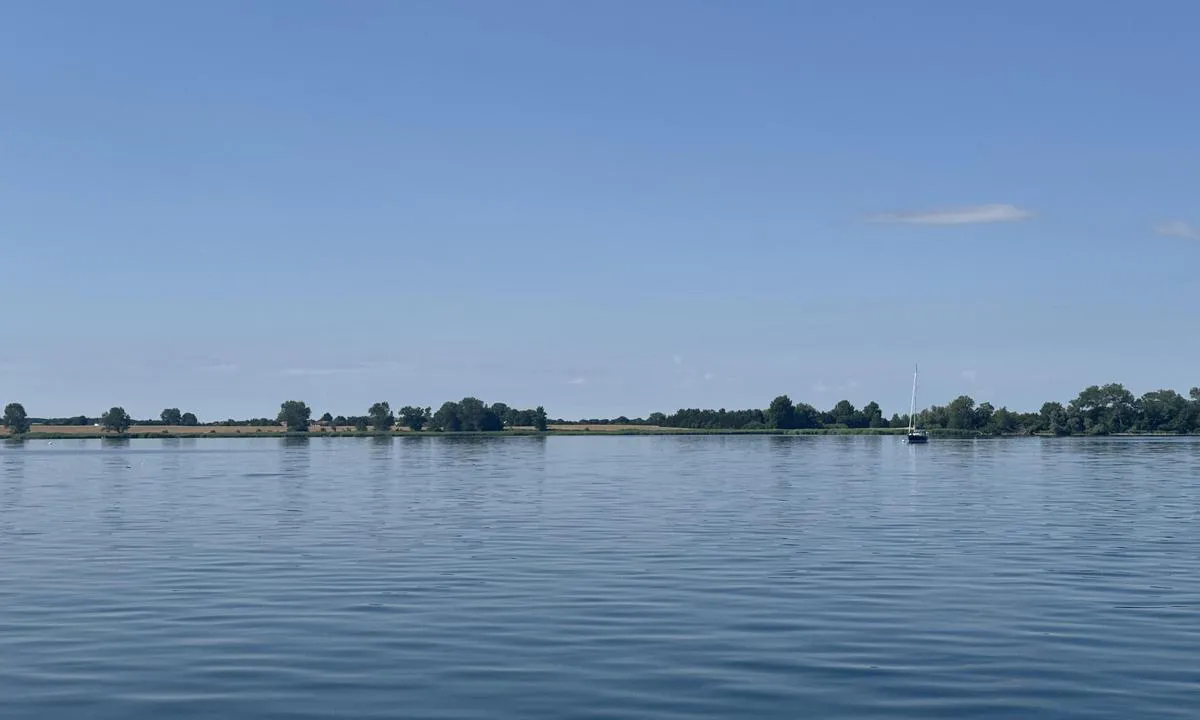
Sortsøhestehave bouy: {"base": "no", "no": "Langgrunt og langt inn til land", "se": "L\u00e5nggrunt och l\u00e5ngt in till land", "en": "Shallow and far inland", "da": "Lavvandet og langt ind til land", "fr": "Peu profond pendant longtemps jusqu'\u00e0 la c\u00f4te", "de": "Weitl\u00e4ufige Untiefen und lange Strecke bis zum Land", "es": "Agua poco profunda y lejos de la costa", "it": "Fondale basso e lontano verso la terra", "pt": "Raso e distante da terra", "nl": "Ondiep en ver landinwaarts", "pl": "P\u0142ytko i daleko do brzegu", "uk": "\u041c\u0456\u043b\u043a\u043e\u0432\u043e\u0434\u043d\u0456 \u0456 \u0434\u0430\u043b\u0435\u043a\u043e \u0434\u043e \u0431\u0435\u0440\u0435\u0433\u0430", "ro": "Fund de mic\u0103 ad\u00e2ncime \u0219i drum lung p\u00e2n\u0103 la \u021b\u0103rm", "tr": "Yava\u015f derinle\u015fen ve kara i\u00e7ine uzun bir mesafe", "el": "\u03a1\u03b7\u03c7\u03ac \u03bd\u03b5\u03c1\u03ac \u03ba\u03b1\u03b9 \u03bc\u03b1\u03ba\u03c1\u03b9\u03bd\u03ae \u03b1\u03c0\u03cc\u03c3\u03c4\u03b1\u03c3\u03b7 \u03c0\u03c1\u03bf\u03c2 \u03c4\u03b7 \u03c3\u03c4\u03b5\u03c1\u03b9\u03ac", "cs": "M\u011blk\u00e9 vody a daleko od pevniny", "hu": "Sek\u00e9ly \u00e9s hossz\u00fa az \u00fat a sz\u00e1razf\u00f6ldig", "fi": "Matalavetinen ja pitk\u00e4 matka maihin", "bg": "\u0414\u044a\u043b\u0431\u043e\u043a\u043e\u0442\u043e \u0438 \u0434\u0430\u043b\u0435\u0447\u043d\u043e\u0442\u043e \u0432\u043b\u0438\u0437\u0430\u043d\u0435 \u043a\u044a\u043c \u0441\u0443\u0448\u0430\u0442\u0430", "sr": "\u0414\u0443\u0431\u043e\u043a\u043e \u0438 \u0438\u0434\u0435 \u0434\u0430\u043b\u0435\u043a\u043e \u0443 \u043a\u043e\u043f\u043d\u043e", "et": "Madalik ja kaua s\u00f5ita maale", "lv": "Sekl\u0101 piekraste un gara piek\u013cuve l\u012bdz zemei", "lt": "Seklu ir toli \u012f sausum\u0105"}
Satelite image of Sortsøhestehave bouy

📸 Sube una foto

Muestra tus fotos y ayuda a otros a planificar su viaje a Sortsøhestehave bouy.harbourmaps.com es creado por la comunidad de navegación, en un esfuerzo colectivo para hacer la navegación más simple y divertida. Subir una foto toma menos de un minuto y se puede hacer desde tu teléfono, tableta o portátil.

📸 Sube una foto

Instalaciones

No tenemos ningún dato sobre las instalaciones disponibles en este puerto. Si sabes qué instalaciones están disponibles aquí, por favor actualiza este sitio para ayudar a tus compañeros navegantes. Actualizar instalaciones.

Amarre

Opciones para amarre en este puerto: Fondeo, Boya de amarre<br>(para un "anclaje" fácil, no confundir con boyas utilizadas en marinas).

Actualizado el 13. Jul 2022. Actualizar amarre.

Descripciones y reseñas

HarbourMaps (site admin) dice:

descripción

La boya es propiedad de Danske Tursejlere

[translated from English with AI]

0 x helpful | written on 13. Jul 2022

¿Conoces este puerto? Es de gran ayuda para otros marineros si añades una breve descripción o reseña del puerto.

📜 Añadir descripción

Mapa de Sortsøhestehave bouy

Instalaciones

No tenemos ningún dato sobre las instalaciones disponibles en este puerto. Si sabes qué instalaciones están disponibles aquí, por favor actualiza este sitio para ayudar a tus compañeros navegantes. Actualizar instalaciones.

Amarre

Opciones para amarre en este puerto: Fondeo, Boya de amarre<br>(para un "anclaje" fácil, no confundir con boyas utilizadas en marinas).

Actualizado el 13. Jul 2022. Actualizar amarre.

Protección contra el viento

Protección próxima noche

57 puntos

N E S W --> } } } } } } } } } } } } } } } } } } } } } } } } } } } } } } } } } } } } } } } } } } } } } } } } } } } } } } } } } } } } } } } } } } } } } } } } } } } } } } } } } } } } } } } } } } } } } } } } } } } } } } } } } } } } } } } } } } } } } } } } } } } } } } } } } } } } } } } } } } } } } } } } } } } } } } } } } } } } } } } } } } } } } } } } } } } } } } } } } } } } } } } } } } } } } } } } } } } } } } } } } } } } } } } } } } } } } } } } } } } } } } } } } } } } } } } } } } } } } } } } } } } } } } } } } } } } } } } } } } } } } } } } } } } } } } } } } } } } } } } } } } } } } } } } } } } } } } } } } } } } } } } } } } } } } } } } } } } } } } } } } } } } } } } } } } } } } } } } } } } } } } } } } } } } } } } } } } } } } } } } } } } } } } } } } } } } } } } } } } } } } } } } } } } } } } } } } } } } } } } } } } } } } } } } } } } } } } } } } } } } } } } } } } } } } } } } } } } } } } } } } } } } } } } } } } } } } } } } } } } } } } } } } } } } } } } } } } } } } } } } } } } } } } } } } } } } } } } } } } } } } } } } } } } } } } } } } } } } } } } } } } } } } } } } } } } } } } } } } } } } } } } } } } } } } } } } } } } } } } } } } } } } } } } } } } } } } } } } } } } } } } } } } } } } } } } } } } } } } } } } } } } } } } } } } } } } } } } } } } } } } } } } } } } } } } } } } } } } } } } } } } } } } } } } } } } } } } } } } } } } } } } } } } } } } } } } } } } } } } } } } } } } } } } } } } } } } } } } } } } } } } } } } } } } } } } } } } } } } } } } } } } } } } } } } } } } } } } } } } } } } } } } } } } } } } } } } } } } } } } } } } } } } } } } } } } } } } } } } } } } } } } } } } } } } } } } } } } } } } } } } } } } } } } } } } } } } } } } } } } } } } } } } } } } } } } } } } } } } } } } } } } } } } } } } } } } } } } } } } } } } } } } } } } } } } } } } } } } } } } } } } } } } } } } } } } } } } } } } } } } } } } } } } } } } } } } } } } } } } } } } } } } } } } } } } } } } } } } } } } } } } } } } } } } } } } } } } } } } } } } } } } } } } } } } } } } } } } } } } } } Next night 6:00 12:00 Tor 06 Aug 18:00 0:00 6:00 12:00 Fre 07 Aug 10m/s 3m/s

¿Quieres saber cómo funciona la puntuación del viento? Entonces deberías leer esta explicación.

Las previsiones del viento provienen de yr.no (Instituto Meteorológico Noruego), y se actualizaron por última vez 1 hour and 28 minutes ago (Jueves 06 Agosto 05:31). La siguiente puntuación nocturna te muestra la peor hora entre las 22:00 y las 08:00 de la siguiente noche. Recomendamos que consultes varias fuentes para los pronósticos de viento.windy.com es un buen sitio web para mostrar sistemas eólicos más grandes.

Las direcciones de viento seguras para este puerto han sido decididas por un algoritmo, basado en la elevación del terreno alrededor del puerto. Es mayormente correcto, pero a veces los datos subyacentes sobre los niveles de elevación no son lo suficientemente buenos para tomar decisiones correctas. Es de gran ayuda para otros si puedes validar o ajustar las direcciones del viento seguro. You can see the data used by the algorithm to decide the safe wind directions by clicking here.

Últimas visitas a Sortsøhestehave bouy

Mié 13 Sep 2023

LUNDI [MMSI: 211337670]

Sáb 19 Ago 2023

MARIA [MMSI: 219022234]

Mar 25 Jul 2023

HABIBIX [MMSI: 211850770]

The visits are retrieved from AIS data. You can click to see all visiting ships to Sortsøhestehave bouy, as well as statistics about the ships that visits

Añadir este puerto a un viaje

Regístrate ahora

Elija una fecha diferente a la de hoy

Importante: Cuando inicias sesión en un puerto, lo agregas a un viaje en este sitio web. No estás reservando un lugar en la marina.

Colaboradores

Usuarios que contribuyeron a esta página: Paal Fredrik

harbourmaps.com es actualizado por la comunidad de navegantes. Cuando agregas información, una revisión o fotos a esta página, te enumeramos aquí con los otros contribuyentes (listamos tu nombre de usuario, que puede ser tu nombre real o un seudónimo).

Puertos más cercanos a Sortsøhestehave bouy

Filtrar por

Puerto natural
Marina
Viento seguro la próxima noche

Ordenar por

ABC
Popularidad
Puntuación de viento próxima noche

0 puertos

Mostrar más puertos